

A drone with a 30-minute battery life sounds great on paper. But once you’re out flying, you may find yourself landing after 20 minutes, sometimes even sooner. That doesn’t necessarily mean there’s anything wrong with the battery.
Flight time depends on several things, from wind conditions and battery capacity to how aggressively you’re flying. Then there’s the question of how long the battery itself will remain usable before you need to replace it.
Let’s look at both, along with a few ways to avoid wearing your batteries out sooner than necessary.
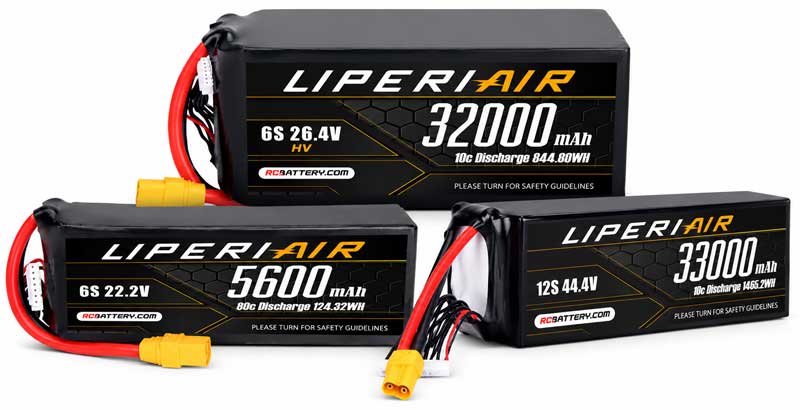
How Long Does a Drone Battery Last on a Single Charge?
For most consumer drones, flight time falls somewhere between 15 and 45 minutes. Smaller models tend to have shorter battery life, while drones built for photography and longer flights generally perform better.
FPV racing drones are a different story. These can use up a fully charged battery in just a few minutes, particularly during high-speed flying.
Here’s a rough comparison:
| Drone Type | Typical Flight Time |
| Toy and mini drones | 5–15 minutes |
| FPV racing drones | 3–8 minutes |
| Entry-level camera drones | 15–30 minutes |
| Advanced camera drones | 25–45 minutes |
| Specialised long-endurance drones | 45–60+ minutes |
Actual flight times will vary.
For instance, DJI lists a maximum flight time of 34 minutes for the Mini 4 Pro with its standard 2,590 mAh battery. With the compatible 3,850 mAh Intelligent Flight Battery Plus, the figure increases to 45 minutes.
Those numbers come from controlled testing. During regular outdoor flying, you might get less, especially if there’s wind or you’re frequently changing speed and altitude.
You also need to keep some battery in reserve for the journey back and a safe landing.
Also Read – Drone Batteries Guide: Types, Safety, and Flight Time
What Affects Drone Battery Life?
Battery Capacity
Drone batteries are commonly rated in milliamp-hours (mAh). A higher number generally means greater charge capacity, although voltage needs to be considered too.
Take an 11.1V, 2,200 mAh battery. It stores approximately 24.4 watt-hours of energy.
Would fitting a larger battery extend your flight time? Possibly, provided the drone supports it. But a larger pack also adds weight, and that means the motors have more to lift.
This is particularly relevant with FPV drones, where battery weight can affect both handling and performance.
Wind and Temperature
You’ll often notice a difference in battery consumption when flying on a windy day.
A drone travelling into a headwind has to work harder to maintain its ground speed. If it’s hovering in gusty conditions, the motors are constantly making small corrections.
Cold weather can also reduce available battery performance. You might see the voltage drop more noticeably when accelerating or climbing.
Heat creates problems over the longer term. Lithium batteries exposed to excessive temperatures can lose capacity faster, especially when stored that way repeatedly.
Also Read – 3S Lipo Battery: Voltage, Performance, And Best Uses
Flying Style
A relaxed flight around an open field places different demands on the battery than racing through gates or repeatedly climbing at full throttle.
Fast acceleration and sudden changes in direction draw higher currents from the battery. That’s one reason FPV racing drones commonly have flight times of only three to eight minutes.
For general flying, maintaining a steadier speed and avoiding unnecessary climbs may help conserve some charge.
Drone Weight
Adding a camera, lights or other accessories might reduce how long your drone stays airborne.
The effect depends on the drone and the extra weight involved. A small racing drone is generally more sensitive to weight changes than a larger model designed to carry equipment.
Always check the manufacturer’s payload limits before attaching anything.
How Many Years Do Drone Batteries Last?
Most drones use lithium-polymer (LiPo) or lithium-ion batteries. Neither lasts indefinitely.
As batteries go through charging and discharging cycles, they gradually lose some of their original capacity. Age, heat and storage conditions contribute to this as well.
Some drone batteries may remain usable for around 200–300 charge cycles before substantial capacity loss becomes noticeable. Others last longer. There isn’t one reliable cycle count that applies to every battery.
A full charge cycle means using the equivalent of 100% of the battery’s capacity. Two separate uses of 50%, for example, add up to approximately one cycle.
You might find that a battery which originally gave you 25 minutes of flying eventually provides only 20 minutes under similar conditions.
An 80% remaining-capacity benchmark is sometimes used when assessing battery ageing. It isn’t an automatic replacement rule, though. The battery’s condition and behaviour during flight matter just as much.
Also Read – How Custom Lithium Battery Packs Elevate UAV Performance
How to Make Drone Batteries Last Longer
Battery maintenance doesn’t need to be complicated. Most of it comes down to charging, storage and knowing when to stop flying.
Don’t Run the Battery Completely Flat
It’s tempting to squeeze another minute out of a flight, particularly when you’re close to finishing a shot.
But regularly discharging lithium batteries too deeply can shorten their useful life. Keep a reasonable reserve and land before the battery reaches a critically low level.
Use the Right Charger
Check that your charger supports the battery’s chemistry, voltage and recommended charging current.
For conventional LiPo packs, a suitable balance charger helps manage individual cell voltages during charging.
Never charge a battery that is swollen or physically damaged.
Store Batteries at the Correct Voltage
If your drone won’t be used for a few weeks, battery storage becomes important.
Conventional LiPo batteries are commonly stored at approximately 3.8–3.85V per cell rather than fully charged.
Some smart batteries have automatic storage functions. Follow the instructions for your particular battery.
Watch the Temperature
After a demanding flight, the battery may feel warm. Allow it to cool to a suitable temperature before charging.
Avoid leaving batteries in parked cars or direct sunlight, especially during hot weather.
Also Read – UAV Battery: Modern Technologies and Future Prospects
Check for Damage
Before each flight, take a quick look at the battery casing, leads and connectors.
Swelling, punctures, damaged insulation or unusual heat are reasons to stop using a battery rather than risk another flight.
When Should You Replace a Drone Battery?
A gradual reduction in flight time is fairly normal as a battery ages. But sudden voltage drops, recurring charging errors or noticeably poor performance under load deserve attention.
If you’re using conventional FPV LiPo packs, checking individual cell voltages with a compatible battery checker can help reveal an imbalance.
A swollen, leaking or damaged battery should be taken out of service immediately and handled through an appropriate battery recycling facility.
Find the Right Drone Battery at RC Battery
Before buying a replacement, check the specifications of your existing battery. Voltage, capacity, connector type, dimensions and discharge rating all matter. A battery with more capacity isn’t necessarily the right fit.
At RC Battery, we can help you work through these details and find a suitable battery for your drone, whether you’re replacing a worn-out pack or adding a spare for longer flying sessions.
Browse our drone battery range or contact us at RC Battery. We’ll help you choose a battery that works with your setup.