

Winter RC driving hits differently – snow changes traction completely, cold air affects throttle response, and battery packs that felt explosive in summer suddenly seem lazy after a few pulls on the trigger. Most hobbyists notice it right away as runtime drops, voltage sags harder under load and the truck or plane just feels slower. All that’s normal to a point. LiPo batteries naturally struggle in cold environments because low temperatures slow down the chemical reactions happening inside the cells. As that happens, internal resistance rises and current delivery becomes less efficient. In practical terms, your RC system has to work harder to get the same performance.
Understanding lipo battery cold weather performance matters if you want consistent power delivery and longer battery lifespan through winter. The good news is that with proper handling, storage habits, and the right equipment, you can still get excellent performance even in freezing conditions.
Why Cold Weather Affects LiPo Batteries
Lithium Polymer batteries rely on ion movement between electrodes to generate power. Cold temperatures slow that ion transfer process down significantly.
You’ll usually notice:
- Reduced acceleration punch
- Lower top speed
- Shorter runtime
- Sluggish throttle response
- Earlier low-voltage cutoff activation
- More noticeable voltage sag under heavy throttle
In some cases, a battery that performs perfectly in warm weather can suddenly feel weak once temperatures get close to freezing. This becomes especially obvious in high-current RC setups like:
- 1/8-scale bashers
- EDF jets
- Large RC airplanes
- Heavy crawlers
- High-speed on-road builds
These platforms demand consistent amperage and cold batteries struggle to supply it efficiently.
Also Read – How to wire a 12s series connection and charge these
Internal Resistance Is the Main Problem
A lot of people focus only on battery voltage, but winter performance is heavily tied to internal resistance, commonly called IR. As temperatures drop, IR increases. Higher resistance means the battery loses more voltage when placed under load. That’s why a fully charged pack can still feel weak during acceleration in cold weather. This is where battery quality starts separating premium packs from cheaper alternatives.
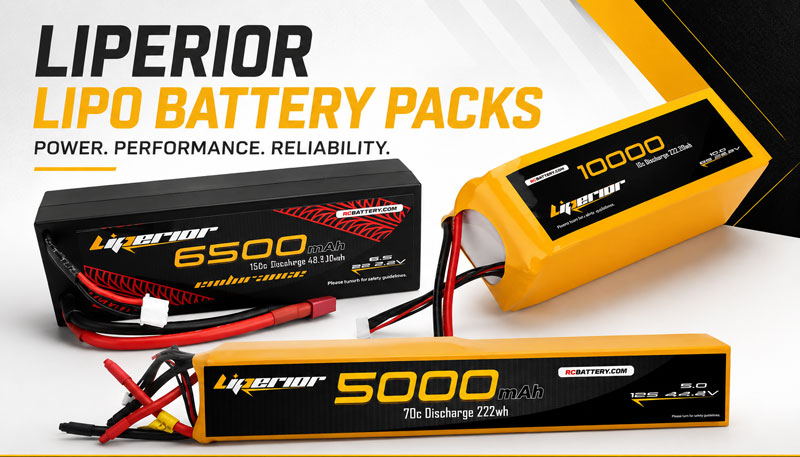
Liperior LiPo Batteries are built using high-quality electrolytes designed to maintain lower internal resistance even as temperatures fall. That lower resistance helps stabilise discharge rates and reduce severe voltage sag during winter operation. You still can’t ignore basic battery care, but quality cell chemistry absolutely improves cold-weather consistency.
Never Start With Ice-Cold Packs
One of the simplest but most effective winter rc battery tips is pre-warming your batteries before use. You don’t want frozen packs sitting in the back of a truck for hours before running them. Cold-soaked batteries almost always perform poorly during the first few minutes of operation.
Experienced RC hobbyists usually keep packs:
- Inside insulated LiPo bags
- In jacket pockets
- In heated pit boxes
- Inside vehicle cabins before use
The goal isn’t to make the battery hot. You just want it above freezing and thermally stable before applying heavy load.
Insulated LiPo Bags help maintain pack temperature between runs and reduce rapid heat loss when you’re outdoors for long sessions. That small temperature difference can noticeably improve throttle response and runtime.
Don’t Hammer Full Throttle Immediately
Cold LiPos respond better when they warm gradually under moderate load. If you instantly go full throttle on a freezing pack, voltage sag becomes much worse and unnecessary stress gets placed on the cells.
A better approach:
- Drive moderately for the first few minutes
- Let the battery generate internal warmth naturally
- Increase throttle demand gradually
You might notice performance improving after a short warm-up period as the chemistry becomes more active once the cells reach a healthier operating temperature.
Also Read – Battery Chargers Everything you need to know!
Monitor Voltage More Carefully in Winter
Voltage behavior changes significantly in cold weather. Under heavy throttle, cold batteries experience deeper temporary voltage drops than they normally would in warm conditions. This can trick drivers into over-discharging packs without realising it.
A Digital Battery Checker becomes extremely useful during winter because it allows you to:
- Monitor individual cell voltage
- Detect weak cells early
- Check resting voltage after runs
- Spot abnormal cell imbalance
- Watch for excessive voltage sag
If one cell consistently drops lower than the others after winter runs, that may indicate rising resistance or aging chemistry inside the pack. Catching that early can prevent puffing or long-term damage later..
Winter Terrain Increases Battery Load Too
Cold weather doesn’t just affect the battery chemically, terrain conditions also increase drivetrain stress. Snow, slush, mud, and wet grass create higher rolling resistance, forcing motors and ESCs to pull more current from the pack.
That extra amperage demand compounds cold-weather battery issues.
You may notice:
- Faster battery drain
- Hotter ESC temperatures
- Increased connector heat
- More aggressive voltage sag
- Earlier cutoff activation
This is why winter often exposes weak batteries faster than summer driving does. High-quality packs with stable discharge characteristics generally recover better after heavy throttle bursts and maintain more consistent output during demanding conditions.
Also Read – Essential Instruction: How to Solder and Replace Connectors
Proper Winter Storage Matters
Storage habits become even more important during colder months. Leaving fully charged LiPos in freezing garages or sheds for extended periods can slowly reduce battery health over time.
Proper winter storage usually means:
- Storing around 3.8V per cell
- Keeping packs in dry conditions
- Avoiding prolonged freezing exposure
- Using fire-safe storage containers
- Checking cell voltage periodically
Some temperature fluctuation is normal but constant deep freezing is not ideal. If possible, store batteries indoors where temperatures remain relatively stable.
Moisture Is Another Hidden Problem
Winter RC driving often means exposure to snow melt, condensation, and damp air. Moisture can affect:
- Balance connectors
- Solder joints
- ESC terminals
- Battery leads
After a wet session, it’s a good idea to dry packs and connectors thoroughly before storage or charging. Corrosion buildup tends to happen slowly, so people often miss it until resistance issues start showing up later.
Why Battery Quality Matters More in Winter
Cold weather exaggerates weaknesses in battery construction. Lower-quality packs typically show:
- Higher resistance spikes
- More severe voltage sag
- Poor recovery under load
- Faster capacity loss over time
Liperior LiPo Batteries are designed specifically with high-grade electrolytes and low-resistance cell structures that help maintain stronger cold-weather discharge stability. That becomes especially important in high-performance RC applications where consistent amperage delivery matters. Combined with practical accessories like Digital Battery Checkers and Insulated LiPo Bags, they help create a much more reliable winter RC setup.
Final Thoughts
Winter RC driving can be some of the most enjoyable driving of the year, but freezing temperatures absolutely change battery behavior. Understanding lipo battery cold weather performance helps you avoid damaged packs, weak runs, and frustrating low-voltage issues.
The basics stay simple:
- Keep packs warm before use
- Avoid charging frozen batteries
- Monitor cell voltage carefully
- Store batteries properly
- Use high-quality packs designed for stable discharge
Cold weather will always affect lithium chemistry to some degree. That part doesn’t change. But with the right battery care habits and dependable equipment, you can still get strong performance, reliable runtime, and healthier packs throughout the winter season.
So, whether you are looking for premium quality Liperior LiPo batteries for your winter runs, or wish to stock up on battery care essentials like digital battery checkers or LiPo bags, you can shop with us at RCBattery. As fellow RC enthusiasts you can trust us to deliver only the best.