

If you’ve spent any time around RC cars, FPV drones, planes, crawlers, or airsoft gear, you already know one thing: LiPo batteries are brilliant when treated properly, and expensive when they’re not.
A good pack delivers punchy discharge rates, stable voltage under load, and serious performance compared to older battery chemistries. But LiPos are also a bit unforgiving. Leave them fully charged for weeks, over-discharge them, or store them in a hot garage through summer, and you’ll usually notice the damage sooner or later – swelling, reduced runtime, voltage sag and weak punch. Sometimes the battery becomes unsafe altogether.
That’s why understanding LiPo storage voltage matters so much, especially if you want your packs to last more than a season.
This guide breaks down exactly how to store RC batteries, why 3.7V matters, and what experienced hobbyists usually do to get the most life out of their packs.
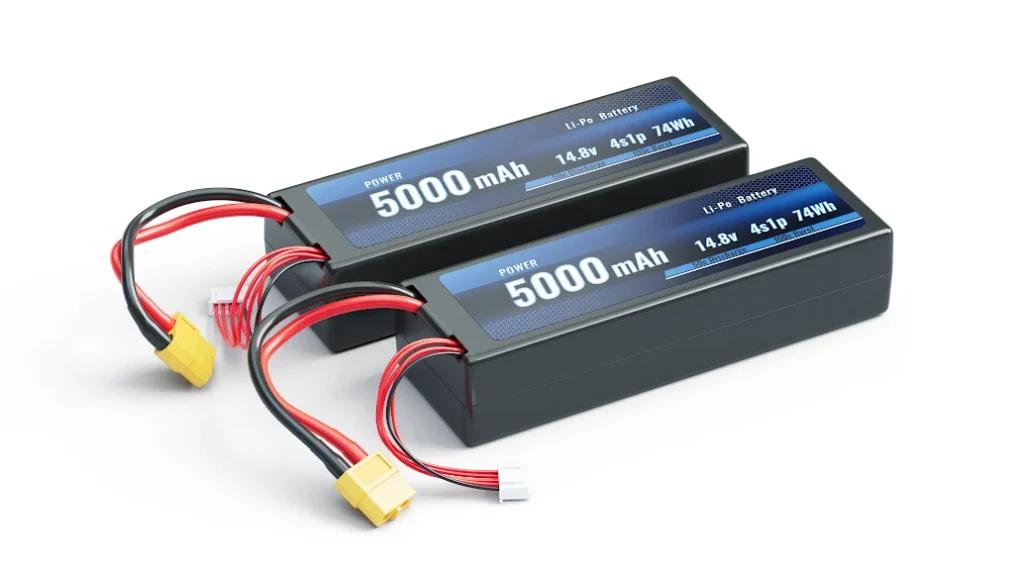
What Is a LiPo Storage Voltage?
A LiPo battery performs best when it isn’t stored fully charged or fully empty for long periods. Instead, there’s a middle ground commonly called the storage voltage.
For most LiPo batteries, the ideal storage level sits around:
- 3.7V to 3.8V per cell
That range keeps the internal chemistry more stable during periods of inactivity. So if you’re storing:
- A 1S pack → roughly 3.8V total
- A 2S pack → roughly 7.6V total
- A 4S pack → roughly 15.2V total
- A 6S pack → roughly 22.8V total
You’ll notice most smart chargers include a dedicated “Storage” mode for this exact reason. A fully charged LiPo resting at 4.2V per cell for extended periods experiences more chemical stress. On the other side, storing a deeply discharged pack can permanently damage the cells. The sweet spot sits right in the middle.
Also Read – How to wire a 12s series connection and charge these
Why 3.7V Matters So Much
People sometimes hear “3.7V LiPo battery” and assume that’s the maximum voltage. It’s not.
3.7V is considered the nominal voltage of a LiPo cell. Fully charged, the cell reaches:
- 4.2V maximum
And near empty:
- Around 3.0V minimum under safe conditions
The reason storage levels hover around 3.7V to 3.8V is because the chemistry is under less stress there. Think of it a bit like stretching a rubber band. Fully charged for long periods keeps the chemistry under tension while deeply discharged storage creates instability from the opposite direction and mid-range storage relaxes the cell and slows long-term degradation.
In real-world RC use, that translates into:
- Longer cycle life
- Reduced puffing
- Better voltage consistency
- Lower internal resistance growth
- Improved safety
Some variation between brands is normal, but the general storage principles remain pretty consistent across the industry.
How to Store RC Batteries Properly
If you’re wondering how to store RC batteries safely, the process is actually fairly straightforward once you build the habit.
1. Bring Packs to Storage Voltage
After a run session or flying day, don’t leave packs sitting fully charged for weeks. Use your charger’s storage function to bring the battery to roughly:
- 3.8V per cell
Most modern balance chargers handle this automatically. If the battery is over storage level, the charger slowly discharges it. If it’s too low, it charges it slightly.
2. Store Batteries Somewhere Cool and Dry
Heat is rough on LiPos. You don’t need a laboratory environment, but avoid places like:
- Hot garages
- Cars
- Direct sunlight
- Outdoor sheds in summer
A stable indoor temperature of around 10°C to 25°C works well for long-term storage in most cases. Extreme cold isn’t ideal either. Freezing temperatures can stress the chemistry and condensation becomes an issue once packs warm back up.
3. Use a LiPo Safe Bag or Fireproof Container
Even quality packs deserve proper precautions. Most experienced RC users store batteries in:
- LiPo bags
- Metal ammo boxes with venting
- Fire-resistant battery cases
The risk of thermal runaway during proper storage is low, especially with healthy packs stored correctly, but it’s still smart practice. Particularly if you’re storing multiple high-capacity packs together.
4. Check Voltage Every Few Months
LiPos naturally self-discharge very slowly. A healthy battery stored properly usually holds storage voltage surprisingly well. But it’s still worth checking periodically if the packs are sitting long-term.
If a cell drops unusually fast, that can sometimes indicate:
- Internal damage
- Cell imbalance
- Aging chemistry
- Increased internal resistance
Catching problems early helps prevent unsafe use later.
Also Read – Battery Chargers Everything you need to know!
Why Quality LiPo Packs Matter
Storage habits matter, but battery quality matters too. Poorly matched cells, inconsistent manufacturing, or weak internal construction can shorten lifespan regardless of how carefully the user stores them.
At RCBattery, packs like Liperior,, LiperiAir and Liperior Endurance are shipped at optimised factory storage voltage levels specifically to preserve chemical stability from the moment they leave production.
That helps:
- Reduce stress during shipping
- Protect long-term capacity
- Improve shelf stability
- Maintain safer storage conditions
You’re essentially starting with a healthier baseline before the battery even reaches your charger. For serious RC users, that consistency matters over hundreds of cycles.
Also Read – Essential Instruction: How to Solder and Replace Connectors
How Long Can LiPos Be Stored?
When stored correctly at proper LiPo storage voltage, healthy packs can usually sit safely for several months without issues. Some hobbyists rotate seasonal packs only a few times per year. Still, batteries are consumable products. Even perfectly stored LiPos slowly age over time due to normal chemical breakdown. Good storage simply slows the process significantly.
In most cases, careful charging habits, sensible discharge limits, and proper storage conditions will have a much bigger effect on lifespan than people expect.
Final Thoughts
LiPo batteries aren’t difficult to maintain once you understand the basics, the key thing is consistency. Keeping packs near proper LiPo storage voltage, avoiding extreme temperatures, monitoring cell health, and using quality batteries from the start all help protect performance and safety over the long run.
Whether you’re flying FPV, racing RC cars, or running high-demand crawler setups, good storage habits genuinely extend battery life and preserve the investment you’ve made in your gear.
And starting with factory-fresh packs shipped at optimal storage levels, like the Liperior, LiperiAir, and Liperior Endurance range from RCBattery, gives your batteries the best possible foundation from day one.