

You head out for a day of driving, plug in your RC battery, pull the trigger and nothing happens. Maybe the car powers on for a second before shutting off, or the charger refuses to recognise the pack altogether. It’s frustrating, especially if the battery seemed perfectly fine the last time you used it.
The good news is that a battery isn’t always “dead” just because it stops working. Sometimes the problem is as simple as a loose connector or an unbalanced cell. Other times, the pack has reached the end of its lifespan and needs replacing.
If you’re dealing with an RC battery not working, this guide will walk you through the most common causes, how to identify dead RC battery symptoms, and when it’s time to repair, replace, or retire your pack.
Start With the Obvious
It sounds simple, but it’s worth checking the basics before assuming the battery has failed.
Look over the battery leads and connector. Dirt, bent pins, or a connector that isn’t fully seated can interrupt power completely. If your RC vehicle suddenly cuts out after a bump or hard landing, a loose connection is often the culprit.
Also inspect the balance lead. A damaged balance plug can prevent some chargers from recognizing the battery, even if the main power connector looks fine.
If you notice worn or damaged terminals, replacing the Battery Connector is often all that’s needed to get your setup running again.
Also Read – What Do the Numbers Mean? (S, C, mAh)
Check the Battery Voltage
Before doing anything else, measure the battery voltage. A Digital Battery Checker is one of the most useful tools any RC hobbyist can own. Within a few seconds, it shows the voltage of every individual cell, making it much easier to spot problems that aren’t visible from the outside.
Healthy LiPo cells should all read close to the same voltage. A small difference is normal, but if one cell is significantly lower than the others, you’ve probably found the issue.
This is also the quickest way to identify many dead RC battery symptoms before they become bigger problems.
Has the Battery Been Over-Discharged?
Deep discharge is one of the most common reasons LiPo batteries stop working.
LiPo cells don’t like being drained too far. If the voltage drops below the safe limit, usually around 3.0V per cell, the battery chemistry can become permanently damaged. Many modern chargers will refuse to charge a pack that’s fallen below this level because doing so may not be safe.
This often happens when:
- The vehicle is driven until it completely stops.
- Low-voltage cutoff is disabled.
- The battery is left connected after a run.
- The pack has been stored empty for a long time.
In some cases, the battery may still show a little voltage but never recover enough to hold a proper charge.
Also Read – Which RC Battery Type is Better: LiPo or NiMH?
Look for Swelling or Physical Damage
Take a close look at the battery itself. If the pack feels soft, has swollen noticeably, or the outer wrapping has started to bulge, stop using it immediately.
A puffed LiPo battery is a sign that the internal cells have been damaged. Continuing to charge or use it isn’t worth the risk.
The same applies if you notice:
- Crushed corners
- Torn heat shrink
- Burn marks
- Leaking cells
- A strong chemical smell
These batteries should be retired and disposed of according to local battery recycling guidelines.
Is Your Charger the Problem?
Sometimes the battery isn’t the issue at all. Older or basic chargers may struggle to detect damaged or heavily unbalanced packs. They also provide very little information about what’s actually happening during the charging process.
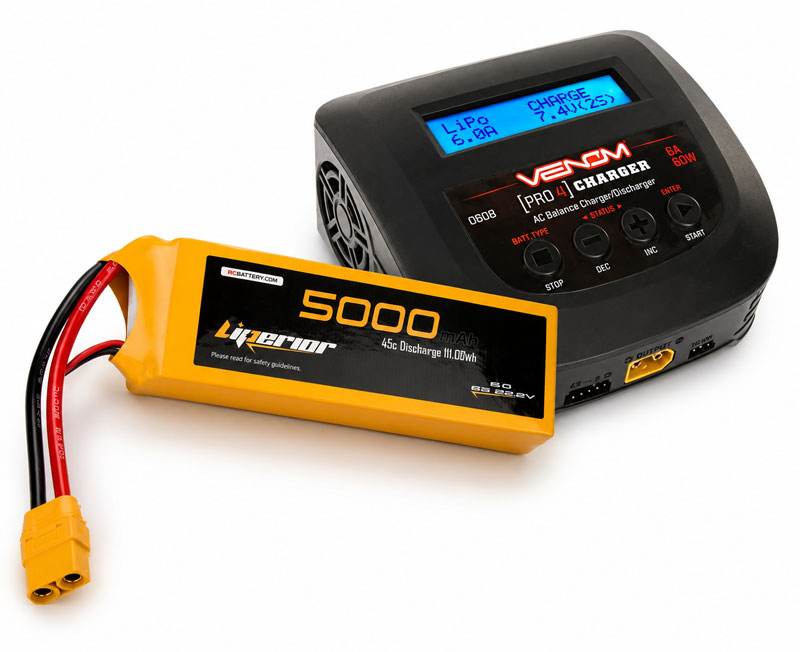
A Smart Balance Charger can identify cell imbalance, charging errors, connection faults, and other issues that standard chargers often miss. Before writing off an expensive battery, it’s worth checking it with a charger that provides detailed diagnostics.
If the charger consistently reports cell errors or refuses to start despite good connections, the battery itself may have developed an internal fault.
Also Read – The Risks of Parallel Charging: Do’s and Don’ts
Batteries Don’t Last Forever
Even well-maintained LiPo batteries have a limited lifespan. Over hundreds of charge cycles, the cells naturally lose capacity. You may start noticing that your RC vehicle doesn’t run as long as it used to, acceleration feels weaker, or the voltage drops much faster under load.
These changes usually happen gradually, which is why many hobbyists don’t realise the battery has been wearing out until performance becomes noticeably worse.
If your battery has seen years of regular use, replacement is often the most practical solution.
Common Dead RC Battery Symptoms
If you’re unsure whether your battery has reached the end of its life, watch for these signs:
- The charger won’t recognize the battery.
- One cell has much lower voltage than the others.
- The battery won’t hold a full charge.
- Runtime has dropped significantly.
- The pack becomes unusually hot during use or charging.
- The battery is swollen or physically damaged.
- Your ESC immediately reports a low-voltage warning despite a recent charge.
One symptom alone doesn’t always confirm failure, but several together usually indicate the pack is no longer reliable.
Can You Fix an RC Battery Connection?
In many cases, yes. Loose plugs, worn connectors, broken solder joints, or damaged battery leads are all repairable if the cells themselves are healthy. Replacing a worn Battery Connector is inexpensive and can restore a perfectly good battery.
However, internal cell damage is different.
If one or more cells are permanently damaged, there’s no safe repair that will restore the battery to its original condition. Continuing to use a compromised LiPo pack isn’t worth risking your RC vehicle or your safety.
Preventing Future Battery Problems
A few simple habits can dramatically increase the life of your LiPo batteries:
- Stop driving before the battery is completely empty.
- Store batteries at storage voltage if they won’t be used for several days.
- Balance charge every time.
- Inspect connectors regularly.
- Keep packs cool after use before recharging.
- Check cell voltages with a Digital Battery Checker every few runs.
These small steps take only a few minutes but can add months or even years to the life of a battery.
Also Read – How to Recover a “Dead” LiPo (Low Voltage Recovery Guide)
When It’s Time to Replace Your Battery
Sometimes troubleshooting leads to a simple fix. Other times, it confirms what most RC enthusiasts eventually face: every LiPo battery whether 2s, 3s or 4s reaches the end of its service life.
If your pack has a dead cell, won’t balance charge, remains swollen, or no longer delivers consistent power, replacing it is the safest and most reliable option. Choosing a factory-tested Liperior LiPo Battery means you’re starting fresh with dependable performance, accurate specifications, and the confidence to get back on the track without worrying about unreliable power.
Conclusion
Most cases of an RC battery not working come down to a handful of common issues—loose connections, deep discharge, damaged cells, or simple wear over time. A systematic check with a Digital Battery Checker, healthy connectors, and a quality Smart Balance Charger can often pinpoint the problem before you replace the pack.
If your battery has reached the end of its life, don’t let it keep you off the track. Explore our range of factory-tested Liperior LiPo Batteries and premium RC battery accessories at RC Battery to get back to reliable, consistent performance with every run.